

Life Long Benefits of Child Sports
Such basics in children’s lives are sports. Whereas some aspects of sport play can be as innocent and as fun as chase games on a playground, sports for kids can also become serious, serious racing, swimming, soccer-playing, or even just tossing a ball around while playing with friends.
Stepping down from the literal, literal sense in the meaning of the phrase, there are hidden virtues of the phrase that carved long-lasting identity in a person’s life. In this article, emphasis will be centralized on the lifelong benefits of child sports. To achieve this, a positive future for youngsters. Everybody knows that physical exercise has incalculable advantages, but the relatively few who comprehend that total health, including the physical, mental, and social domains, improves through athletics.
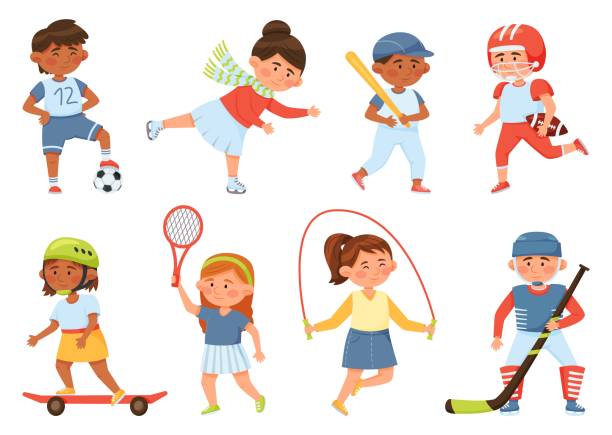
Physical Health and Fitness
Personal grooming and improving the health of the body is one of the most obvious life-long benefits of child sports among the benefits. This means that children are active and good at moving, getting stronger, more flexible, and enduring when you engage them in sports activity. Such activities are used to maintain and help sustain overall body health, ensure one does not turn out to be obese, and maintain healthy cardiovascular systems. Maintaining a childhood physical activity can help to prepare a person for regular exercising that helps overweight individuals to avoid chronic diseases such as heart diseases and diabetes in the future.
Children’s Emotional and Psychological Development
Not only are they limited to embracing the physical sense of life-long benefits of child sports but extend past it. Game activities also foster a child’s mental and emotional health due to physical exertion. A recent BodyByte: The present finding of the effectiveness of physical activity also included reduction of stress and anxiety levels, improvement of sleep, and the boosting of mood. Neurons that are normally released to help children to have also control pain, and thus the exercise can be looked at to make children happy.
Social Skills and Teamwork
The following pieces of information represent the list of the benefits associated with child sports, which are also necessary for a child in order to have a successful future: -using of social skills. In team games as well as other individual assignments children can communicate with their group members, find new friends or develop interpersonal skills.
Discipline and Time Management Activity Instruction One:
Accounting concepts, principles, and skills enforcement Discipline Time Management Activity Teaching/Guiding Three/Business Mathematics: principles, concepts, and techniques enforcement Time Management.
They are very useful in that they make their participants develop discipline, which is very vital in other aspects. In sports, children are required to respect practice schedules, stick to a coach’s directions, or even self-discipline themselves. They make the students be on their toes and therefore are in a position to parrelate performance to other activities, for instance, the class, home, and any other endeavors.
Boosting Cognitive Abilities
In the words of children, it is well understood that exercise is not only good for the bodies but also for the brains. A number of research studies recommend that children who follow sporting activities have enhanced performances in class. As physical exercise in general is concerned, the following results for the economy were observed, including improvement in concentration, memory, as well as cognition. Every sport and game are beneficial to the train of thoughts and always yield options for a better solution in problem solving and decisions.
Also children get to develop critical thinking skills whereby they participate in sports. When a match has been extended, it is your strategy to read the game at appropriate intervals and come up with a decision within the shortest time possible that will counter the opponent. These skills are also useful in the other practical circumstances in learning and working environments.
But here leadership, like confidence, has been empowered.
Sport is one of the best places within an individual’s life that can fully support leadership skills. Leaders in youthful sports and those who are charged with specific roles in a team cultivate virtuous growth of responsibility and decision-making from such experiences as… Promoting positive change from the leadership and being supportive for employees to gain self-assertiveness that they can transform to various aspects of the lives of these learners.
The advantages of using the life-long benefits of child sports in boosting self-esteem are enormous. When children attain such improvement and touch such achievements in sports, self-esteem is well catered for. This confidence enables them to handle school and other interpersonal social and leadership situations.
Structure of Building for Healthy Life.
Among the most compelling lifelong benefits of child sports, one can state that this program allows children to build the necessary behavioral models that will help them succeed in adulthood. Introducing children to sports makes them understand the importance of exercising and can, in fact, be active in their later generations. It can go a long way in a better and healthier life as one progresses in the society as a grown-up.
Besides, the character gained through practicing sports—the importance of teamwork, discipline, or tenacity, which cannot be explained—is what can assist children in any aspect of their lives.
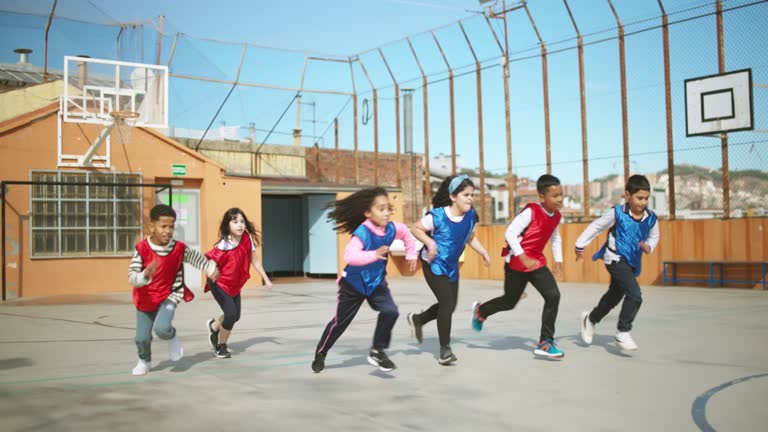
Conclusions about Life Long Benefits of Child Sports
The lifelong benefits of child sports are clear. For physical health alone, the advantages of exercise go without saying; for the same for mental health, the gains are most visible; behavior is certainly more refined; self-esteem is surely on a higher high. Sport activities should be taken from childhood so that children can be happy, efficient, and effective in leading their successful lives as parents plan for them.
It’s not the case of helping your child practice playing the game but working on how he/she should approach the game issues and being expected to succeed in their undertaking. Some of the habits, which are formed by the young generation by practicing on the playing field, will remain in practice for the rest of the future activities. That was all about Life Long Benefits of Child Sports
FAQs about Life Long Benefits of Child Sports
When should a child start participating in sports?
You can surely notice that there shouldn’t be any tolerance when introducing your children into a physical activity program. When it comes to organized sports, a child will benefit more if he or she is around 4 or 5 years old, but younger kids can join in simple running, jumping, and playing simple communicative games that will perform the connections of the left and right sides of the body. The focus is to make sure that the game has got reasonable measures of interactivity.
Which strategies do parents use to ensure that children do not fade in sport?
Parents might try to make the experience fun, telling the children that winning is not key and that their development in a game is more important. Depending on the content of their physical activity, if the children are involved in doing their sports activities, an encouraging environment and active sports will ensure that the children continue to be active in the future.