

Sports Psychology
Sports are not only about physical fitness, but there are many other activities that are in it as well. It also proves that it is not only the physical aspects of performance that offer help in the ability to help athletes perform more effectively. The chapter discusses in detail a branch in psychology known as sports psychology that concentrates on the motivational processes, attitudes, affect, and behavior within a specific area of the athletes’ performance and what an individual athlete can do to enhance it. Of course, sports psychology contains all the necessary information on improving focus and motivation, stress levels, and thin or psychologically shaped physique results.

Here the reader will understand the definition of sport psychology and its application within various types of settings and the importance of practicing sport psychology regardless of the performance level. If you are an athlete who always wants to pass your competitors or a sportsman who wants to be a step higher in the results, you are welcome to the section of sports psychology where you will discover useful advice and fantastic instruments.
What is sports psychology?
On the other hand, we have sports psychology, which is that branch of psychology that deals with the mental or psychological aspect of sports. These several branches include understanding how athletes’ cognitive processes, emotions, behaviors, and psychosocial health influence sporting performance. The field encompasses a wide range of focus areas that include motivation, concentration, mental toughness, relaxation, self-esteem, stress management, and goal setting.
Coaches intervene with athletes to foster and develop mental skills for their specific sport and/or competition, modulate or eliminate worry, develop coping with stress, and promote positive cognitions during and outside competition. They also prepare coaches for the improvement of training programs that will be implicated in the mental health and emotional fitness among athletes.
Main Specialties in Sports Psychology
Motivation and Goal Setting
Depending on different aspects and elements of a sport, motivation is one of the main components of the so-called sport psychology. This theory means that almost every athlete who competes is bound to face certain circumstances that threaten passion, motivation, and dedication in practice. In this regard, there are inputs from the sports psychologists towards the facilitation of appreciation of the intrinsic and extrinsic motivation structures by the sportspersons. Of all these, some of them are goal setting, visualization, and self-talk so that the athletes can keep their encouraging spirit through the time of hardship.
Thus, thanks to the help of related goals, athletes will have motivation during the season. Of course, such goals can be short-term when, for instance, working towards enhancing one’s efficiency in a certain sport and long-term when working towards a championship. From the case of the sports psychology, the helps the athletes to break activities into sub activities and ensures the athletes are on the right track to the right achievement.
Mental strength and stability is the full understanding of mental strength and stability by the people.
Another useful quality these factors unveil in individuals is mental strength: the ability to continue working and even succeed when it is bowled over by pressure. Skills of mental ability for sporting personnel are invariably seen under the banner of sports psychology and involve such areas as the process of educating athletes on how to create their own coping mechanisms. This quality will help athletes to recover always from losses, enable them to work on failures and be very determined at all times. Consistent athletes are those who do not show character fluctuations during several critical sequences and make accurate decisions.
From the article in sports psychology, one can be in a position to understand how to prepare for the game mentally. For instance, imaging allows the athlete to picture certain strike scenes and ask himself how to prevent them. Likewise, mindfulness consists of skills that can help athletes to be able to stay within and not to be overwhelmed by what is happening externally.
Stress Management
Stress can be defined as tension, and high-performing athletes are placed under tension when participating in high-level athletics. With reference to the stress checklist, the first type of stress is stress following a win; performance pressure or pressure to perform after an injury impacts the mental health of the athlete. Ways of stress management in sports psychology are basic relaxation techniques, breathing control, and muscular relaxation.
Stress control not only improves the productivity standards but also boosts protection against burnout and chance injuries. The special emphasis is placed upon the skills that assist an athlete in controlling stress and achieving peak performance without detriment to his/her psychological well-being.
Building Self-Confidence
Confidence is very crucial in sports and games of every kind, let alone basketball. Spiritually, self-confidence is undoubtedly present in an athlete; for instance, they will persist in order to attack obstacles, venture, and maintain optimism in their work. It is the approaches applied in sports psychology to restore confidence by accepting some positive cognitions, assets, and optionality.
Coaches and sports psychologists assist their subjects in countering distortions or negativity or self-criticism. This is why positive statements replace negative thoughts; athletic competence, hence performance, is improved among athletes.
Focus and Concentration
It is possible to maintain highly valued competencies for the athletes that would help the athletes maintain attention during the competition. Performance psychology helps the athletes to achieve the ability to select and filter specific stimuli in a pleasant event. Mindfulness meditation, for example, mental imagery, and concentrative exercises are clearly applicable to an athlete’s training program.
The practical application of sports psychology in the economy
It can be fitted into working with several groups, starting from professional sportspersons and Olympic players to normal individuals. Before a team is out for a major match, when struggling to deal fiscally with the rigors of match play or when helping oneself through sports stress or an athletic injury, the principles of sports psychology are readily at your service.
For example, today a variety of professional athletic organizations incorporate the sports psychologist trainers to help the drivers to stay in shape mentally. This may be very helpful when it comes to high-stakes games. For treatment, and changes in seasons, and changes in an athlete’s career.
This paper delves into understanding whether sportsmen benefit from sports psychology in some way or another.
It is also relevant to understand that the initiatives of sport psychology do not only concern the performance but much more. Here are some of the key advantages:
Improved Performance:
Cognitive methods enable sports persons to do better since they are able to focus, have lesser pressures, and have more desire.
Better Emotional Health:
Thus it has been understood that through reduction of stress, anxiety, and frustration, athletes have improved emotional aspects, not even the playing field.
Enhanced Focus:
These mental skills are relevant in a game so as to capture the absolute attention of an athlete as they engage in different competitions.
Increased Confidence:
This strategy will also be useful in handling instances where self-doubt manifests itself through the athletes.
Coping with Pressure:
In sports psychology, people teach the athletes to act when in the field so that they do not quit easily, especially when pressures surge.
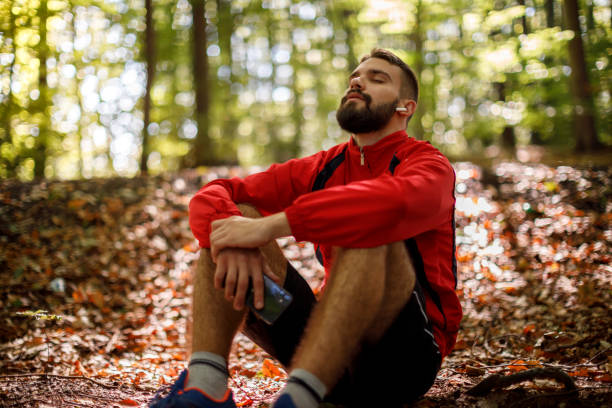
Conclusion: The Role of Sports Psychology in Goal Achievement
Thus it can be taken that sports psychology is an absolute value of attaining the optimal performance among the athletes. If your aim is to break a certain figure, to emerge the winner of your contests, or even have a little more fun in your game, then what sports psychology will provide is a way of attaining that competitive edge you were aspiring for. Thus, motivation, mental toughness, stress, confidence, and concentration when exercised can maximize each athlete’s performance while being fit.
In fact, this psychology is not only for Olympic champions but for all the people who are involved in the sporting industry. This work has demonstrated that any athlete at some point or another when psychology of peak performance is ventually captured, can elevated to the next level.
FAQs about Sports Psychology
How does this celerity benefit me in sports psychology?
Sports psychology assists you because it teaches and has you practice things that are cognitive, such as concentration, assertiveness, and problem solving. These techniques help you to overcome your block and be forward and effective during the contest.
Can one handle stress before some important performance with the help of sports psychology?
Yes! Relaxation, imagining, and positive thinking are such approaches that it believes help the athletes on how to deal with anxiety. All these techniques are useful before several events or before a number of games.
Also, getting into sports psychology assists in getting more information on how the mind is equally involved in sports and also acquires mental strength to realize your goal.