Does anxiety make you tired
Anxiety is a normal part of life, but when it becomes overwhelming, it can leave you wondering: Does anxiety make you tired? The short answer to the question is yes, but understanding the ‘why’ is going to be a little complex. At times anxiety completely wipes out all aspects of your being, and you feel totally drained right after activities that you would deem normal. In this article, you will see more of how anxiety leads to exhaustion as well as find out more about the real-life strategies that will be helpful for you to feel refreshed again.
Negative Impacts to the Body and the Mind of Certain Foods
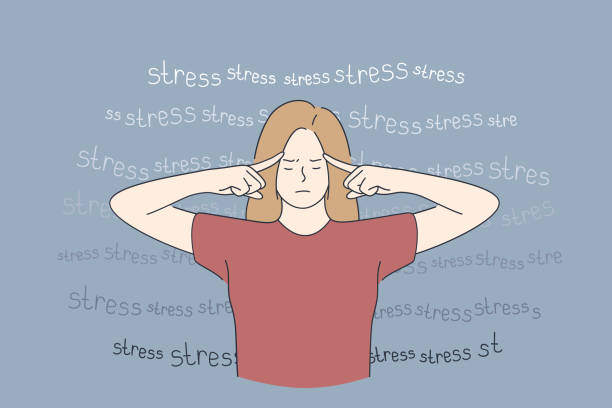
Every time you find yourself worried, your body goes into the ‘fight or flight’ stage. This evolutionary mechanism is to help the person to coast threats, as it releases hormones like cortisol and adrenaline amidst them. As helpful as this response is when we find ourselves in an emergency, it can most definitely drain out our bodies when used repeatedly.
Cortisol and Extremely Fatigued
Cortisol, the stress hormone, increases glucose levels and enhances the executive control component of the human brain. However, anxiety, especially when it becomes chronic, will cause cortisol levels to remain elevated for most of the time. This not only has very widespread consequences in that it changes your sleeping schedule in the process of interrupting any chance of a good night’s sleep, but in addition to this, it makes one feel very tired all the time.
Mental Exhaustion: This paper seeks to demystify the biochemical and biological cognitive cost of anxiety.
The last topic for discussion is what does anxiety occupy in mental energy. Racing thoughts, worry, and overthinking drain the energy of the brain and leave one feeling drained of the energy needed to concentrate or even to feel motivated. It is yet again a common question. The answer, as it were, is in the fact that paths that anxiety engulfs are extensive mental imagery.
Such Physical Signs that Give Feeling of Fatigue
In addition to mental exhaustion, anxiety can cause a range of physical symptoms that exacerbate tiredness:
Muscle Tension:
This usually identifies anxiety as a type of muscle tension, and when one’s anxiety is chronic, he sustains pain and fatigue.
Hyperventilation:
Most individuals with anxiety breathe in a shallow manner during anxiety episodes, which brings about a limitation of oxygen in the body, and after the episodes, you feel exhausted.
Digestive Issues:
This is because anxiety is a known emotional stressor that puts pressure on your gut, thus disrupting the digestive system and reducing the digestive capacity, thereby reducing the calories that one is able to pull from food.
How Anxiety Disrupts Sleep
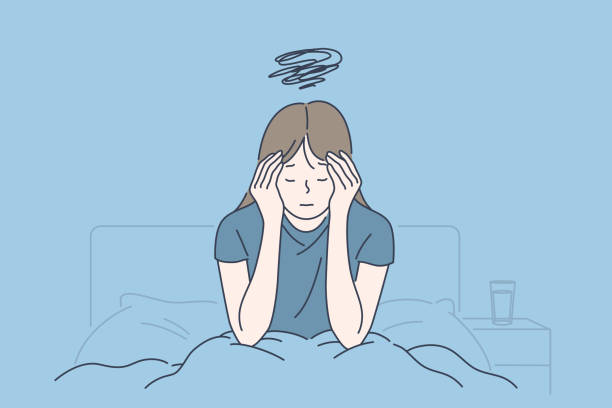
The most widely known area that applies anxiety to feeling tired is sleep, and we will discuss this in more detail. Nighttime insomnia and multiple nights awake are present in the overwhelming majority of those suffering from an anxiety disorder. It also means that at night, when you cannot even fall asleep, let alone stay asleep, your body never gets a break, and you wake up the next day feeling so drained.
Sleep Deprivation and Anxiety: A Vicious Cycle
They are symbiotic and can both cause each other; you cannot have one without the other. Worrying about a lack of sleep makes it even more probable that you will develop anxiety, which comes with the steady loss of the ability to sleep. These two can easily establish a cycle to which, if allowed to run its course, it becomes pertinent to address both at once.
Coping strategies to decrease fatigue that is linked to anxiety
If you are asking about Does anxiety make you tired, and what you can do about it, the happy news is that there are ways to reduce anxiety and fatigue.
Prioritize Sleep Hygiene
When one has a special practice before going to bed, it becomes rather easy to set a certain sleep routine. This should be done with relaxation techniques, including the well-known deep breathing, meditation, and warm bath before retiring to bed. They should not use their devices for hours, and no caffeinated product should be consumed at any time in the evening.
Stress Management for the Smart and Mindful
Meditation or yoga is often has an effective method of minimizing the sensations underneath the anxious feelings so that the feelings do not drown you in thoughts. In this manner, anxiety will STOP consumin much of your mental ‘fuel,’ and you will be less anxious, and your anxiety will be reduced.
Exercise Regularly
Stress is normally relieved through exercise, and other additional energy also comes about through exercise. And, indeed, a walk can also improve your mood and erase all physical manifestations of stress even if you took only a walk.
Maintain a Balanced Diet
Increased consumption of different whole grain foods, lean protein, and good fats will assist in combating fatigue in our body. Avoid taking confectioneries that make you feel so weary for a few hours.
Seek Professional Support
If anxiety and fatigue are erasing the quality of your day, you need to ask your therapist or a good doctor. CBT, together with other treatments, will assist you in feeling that you have the capacity to deal with your anxiety more effectively.
When to See a Doctor
As much as fatigue is one of the symptoms of anxiety, anything beyond it may well be another illness. Stylises of hypothyroidism, chronic fatigue syndrome, anemia, or can be similar to the fatigue produced by anxiety. A professional should be consulted in order to rule out these problems and find out the proper treatment.
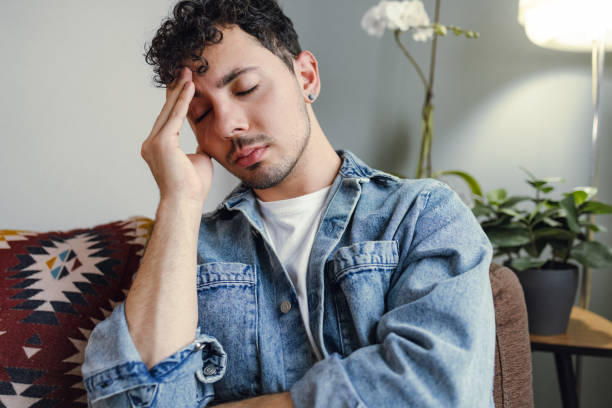
Conclusion: Does anxiety make you tired?
The question Does anxiety make you tired? has a clear answer: Indeed, anxiety could reduce you or cut off your energy to a very large extent from the mental side as well as the physical side. Understanding how this association takes place would enable one to find ways to guard against anxiety and how to get one’s strength back.
It means that you have an abilitynot to give in to anxiousness and tiredness, which dominate your life, if only you trn to self-care, or develop awareness, or find professional help. Remember you don’t have to radically change your existence in order to notice real differences in the increase of positivity and feelings of well-being.
FAQs
Is chronic fatigue the outcome of anxiety?
Definitely, for instance, anxiety, if persisted, will lead to chronic fatigue since the body, sofa, and the mind are always compromised. This can b circumvented by changing existing lifestyle, and in order to manage anxiety, consult a mental health professional.
What are the differences between anxiety fatigue and physical fatigue?
Other than this, there are other fatigue symptoms, which include fatigue due to anxiety and other symptoms such as poor concentration and sleeping disorders. Physical fatigue can be linked with the tiredness of muscles irrespective of some disease, such as flu. If that is not understood, then one should consult a healthcare provider provider.