
Intermittent Fasting for Women Over 50
Far more has been made of the complexity of maintaining physical fitness into the later years, let alone for women. Body metabolism slows down, hormones go up and down, and maintaining that perfect weight seems like a fantasy. It is where Intermittent Fasting for Women Over 50 fits the bill. The method of “IF, which is’intermittent fasting,” has recently been receiving plenty of attention owing to the possible benefits linked to it and should thus be beneficial to women of this particular age. As you are going to find out in this article, intermittent fasting is the procedure through which our body receives its nutrients benefit and the steps that you can take towards integrating it into your lifestyle safely.

What is intermittent fasting?
Thus, intensive fasting can better be described as not really a diet program but as an eating rhythm where people fast for longer intervals than they eat. There are several methods of intermittent fasting, but the basic principle remains the same: during such periods as when no foods are consumed, you cut down on the foods that you feed your body to switch into the fat-burning process, thus boosting metabolism.
First of all, intermittent fasting is really good for the health of women who are over 50 years old. Here are some of the gains that one is likely to accord this food: eating this food leads to slimming down, keeping blood sugar levels in check, improving brain functions, and so on. However, one must not overdo it and, most of all, know how it affects your body as you age.
Few things about intermittent fasting in women over 50 years of age should be understood:
All women over forty, and especially during their fifties, have an issue of low estrogen that leads to obesity and slows down metabolism. Intermittent Fasting for Women Over 50 It helps to counter such issues because the body gets a timely eating plan that boosts up fat loss and the renewal of the cells. By doing this, those body fats are made to be utilized to furnish the needed energy through fasting in order to avoid obesity and other related diseases such as Type 2 diabetes.
Also, splendid effects are the reduction of inflammation in the body. Inflammation is one major cause of different diseases such as heart diseases, arthritis, and the rest. It also aids the autophagy process, with the aid of which the body removes the toxic or impaired cells and creates new and healthy cells.
Benefits of Intermittent Fasting for Women Over 50
Weight Loss and Fat Burning
However, Intermittent Fasting for Women Over 50 also lose much less weight, which is one of the most striking, or perhaps the most significant, advantages of the product. Thus, for example, the older one gets, the more difficult it is to combat obesity because metabolism in people gets changed and slows down. However, as with the intermittent fasting, metabolism is boosted and the body is forced to burn fat during those periods. This makes it easier to deplete the hard-feel fat, especially the gut fat, which is a normal occurrence in postmenopausal women.
Improved Insulin Sensitivity
But weight loss for women escalates slightly with age, and even the intermittent fasting helps to enhance the insulin resistance level. The maestro way is by scheduling time of the day that the body is given a break from food intake so as to balance the insulin production of the body, hence controlling Type 2 diabetes.
Better Brain Health
Intermittent fasting emerges, therefore, as a viable strategy to mitigate part of the detrimental effects, disclosed to be linked with aging and neurodegenerative disorders, and improve cognition. It also proves useful to the female sex, particularly postnatal women over fifty years of age, as diseases like Alzheimer’s and dementia are rampant with this grouping.
Rare occurrence of chronic diseases and decreased inflammation amounts
Inflammation tends to go hand in hand with some other diseases, such as arthritis, heart disease, and some forms of cancer. Of course, one cannot overestimate the overall effect of intermittent fasting on human health, improving control of inflammation and, as a result, preventing the diseases leading to chronic ones.
Hormonal Balance
With the help of Intermittent Fasting for Women Over 50 by nutrition, it influences especially estrogen and progesterone, which cause fluctuations in the state during per menopause and menopause. Proper control of these hormones can help the person feel better, sleep better, then wake up with more energy.
The four most common IF approaches any lady above 50 should consider
To elaborate, the following are the types of IF; in other words, the best method can be generalized based on lifestyle, preference, and health requirements for women over 50 years. Some popular approaches include:
16/8 Method
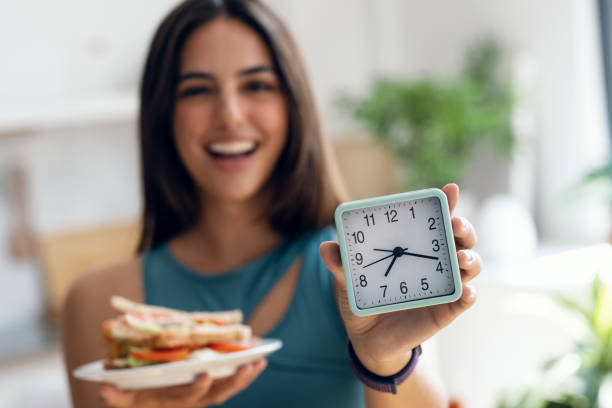
This entails avoiding foods for the better part of the day and then cramming when the time is right; this is achieved in a 16:8 diet fast. For example, you could eat between 12:This can even be between 8 in the morning and 8 at night to give the body more than 16 hours with no food.
5:2 Method
In this method of dieting, they can eat as they would normally five days in a week and then take reduced calories of between 500 and 600 calories in two days of the week. It will make it possible to be more flexible in issues to do with feeding and at the same time have the benefits that come with fasting.
Eat-Stop-Eat
This includes fasting probably two meals in a day or a whole day in a week. This might sound very harsh, but for women over 50, I realize they have the timetable for fasting, and it is very useful in the detox and the loss of weight.
How to Get Started with Intermittent Fasting for Women Over 50
The first point that I can reiterate is that if you are planning to do intermittent fasting, then you have to begin with the beginner’s protocol and listen to your body. Here are some tips to help you begin:
Consult with Your Doctor
This is important to remember, especially if you have any health conditions that may preclude you from fasting in some way: it is always wise to consult with your doctor before starting any program of fasting.
Start with a Gentle Approach
It is advisable to begin with a milder type of fasting; for example, the 16/8 diet will help the body to get used to it. When you are used to it, you can gradually increase the duration of your fasts to as many hours as you wish.
Stay Hydrated
It is also important to take a lot of water when you are on a fasting regime to avoid leaving your body too dry. It is also legal to take herbal teas or black coffee so as to break the fasting period.
Focus on Nutrient-Dense Foods
Just like with beverages, options for food should be committed to the idea that while you do eat, you should get the optimal nutrient density from vegetables, lean protein, and healthy fats. Also, do not take snacks and processed foods, candied, since they will reduce the impact of fasting.
Prioritize Rest and Recovery
Sleeping is important for more than 50 women and even more so when one is planning to do the intermittent fasting exercises. It is also necessary to sleep well to ensure that you are fit to support your fasting exercise and your body.
Potential Threats and Considerations to Worry About
However, the diet understood by the intermittent fasting does make some positive impacts on a person’s overall health; it is crucial to counter the bad impacts of the diet, particularly for women more than 50 years old. The female participants in this age bracket also reported that hormonal changes within their systems made it hard to fast. It is always important to listen to your body and never fast, especially if you notice that you are suffering from some drawback like dizziness, weakness, or poor concentration.
Moreover, it should not be practiced by anyone with any health complications, such as eating disorders, diabetes, low blood sugar, or heart problems. It is therefore always wise that one consult a doctor before taking on any new health plan.
Conclusion: Why or why not intermittent fasting: a brief explanation.
The object can be useful for the improvement of patients’ health conditions, the increase of their well-being, and effectiveness in weight loss programs and in maintaining one’s health in the long term. But it is necessary to do it more carefully, to begin with small proportions, and it is desirable a doctor consult in order to exclude the use of Xenophil for you. Thus, women consuming food of high quality and sticking to an orderly fasting routine should benefit from every aspect related to intermittent fasting to live a healthy life to the maximum.
FAQs
Does intermittent fasting have an impact on hormonal regulation?
Especially estrogen and progesterone; yes, a strategy known as intermittent fasting may aid women over 50 to balance hormones. As always, the phenomenal should, however, not be overemphasized because fasting alters hormonal rhythms, particularly during the menopausal period.