
Brain Concussion in Athletes
It is therefore a stand that requires quite a lot of caution and the mechanisms of solution finding in place. Concussions, or as they are known, traumatic brain injuries, might be an often-occurring occurrence in football, soccer, hockey, and rugby. These are the symptoms of a concussion. This is the disaster that may be caused by a concussion if measures are not taken at the right time to correct it. In this article, we will find out what brain concussions in athletes, the forms and development, treatment and prevention, and the importance of recognition and management of brain concussions in athletes mean.
What Is a Brain Concussion?
A brain concussion in athletes is a type of head and brain injury that occurs when the brain is shaken or jarred in the person’s head. In fact, such a violent, abrupt, and instant movement commonly leads to these interferences with the brains of the concerned persons for those brief times. This is often occasioned by a clash with some external object that causes the head to be jolted on the hard surface, or it may be a forceful blow that causes the brain to strike the skull. One might not be aware of internal injuries, and the effects of a concussion might affect how a person thinks, how they move, how they balance, and how they coordinate themselves.
Causes of Brain Concussion in Athletes
More than half of the brain concussions occurring to athletes are from playing contact or collision sports. Here are some common causes:
Direct Impact to the Head:
A concussion is an injury that can be caused by head contact, a strike to the head, or coming into contact with another player or any stiff object. This is, however, most rampant in football, boxing, or ice hockey. This is especially so in football, boxing, and/or ice hockey.
Sudden Deceleration or Whiplash:
When the head is static and the body suddenly accelerates, as in a whip-like motion, the brain is banged against the skull, and a concussion occurs. This is usually the situation in almost all the games, some of which are football or basketball.
Falls:
As such, athletes engaged in gymnastics, skiing, and cycling, among them, are likely to fall and knock their heads, causing knockouts or concussions.
Repeated Head Injuries:
In fact, concussions are not solitary incidents but the sum of several hits throughout a certain span of time. In these cases, as the research shows, many concussions sustained by an athlete result in significant impairment of his or her health.
Pursuing Knowledge of Some Symptoms of a Brain Concussion
It is therefore necessary that athletes, coaches, and other health care practitioners acquire knowledge on signs of brain concussion in athletes. Concussion refers to the notion that one or multiple linked brain injuries are different from one another in terms of severity and duration. Common signs include:
Immediate Symptoms
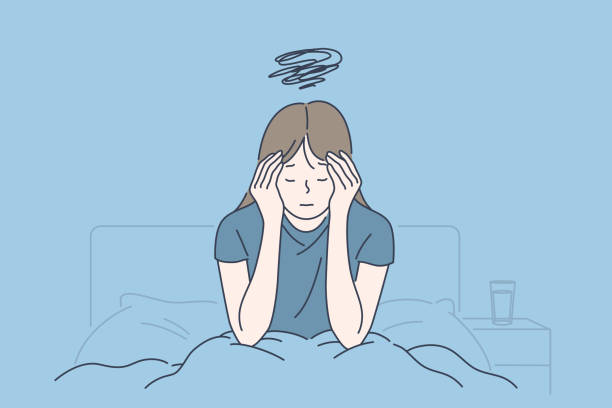
Headache: This one is the most typical sign that appears after a concussion has come about.
Dizziness: The muscles might be inappealed, and the athletes will be in a position to feel like they are weighing.
Nausea or Vomiting: Some of these signs may appear shortly after the injury has happened, and this is not rare at all.
Confusion: After that the athlete can not explain what happened or may be even puzzled.
Delayed Symptoms
Memory Problems: Short-term memory may be lost, and in this situation the athlete may not recall events that took place.
Sensitivity to Light and Noise: Sometimes after a concussion, other athletes are more aware of their surroundings than they were before.
Mood Changes: Some of the signs of post-concussion syndrome are confusion, anxiety, or depression in athletes.
Sleep Disturbances: Potential sleep disorders that can be accompanied by a concussion are either an inability to sleep at all or oversleeping at the same time.
What one needs to know is that none of these signs manifest at the same instance, and some of them can occur several hours or days after the concussion has occurred. Therefore any suspected concussion means that the athlete is in a dangerous state and should be removed and further checked by a doctor.
Diagnosis and Treatment of Brain Concussion in Athletes
And if there is a suspected brain concussion, one should go for a physician immediately. Healthcare providers will often conduct a thorough evaluation, including:
Physical Examination: To exclude cases of head injury or any other neurological mishap such as seizure disorder.
Cognitive Testing: Different types of assessments for identifying other possible neuropsychological injuries that may have resulted from the concussion.
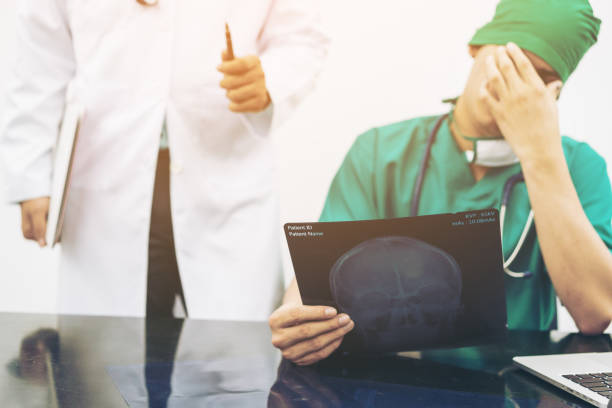
Imaging: But in some cases the concussion is not observable on MRI/CT scans, and these may be utilized to rule out other major head injuries.
The caretaker of a concussion in athletes is mostly by gradual return to a normal life and routine. At the time of recovery, the athlete is warned not to involve himself in affairs that expose him to another blow to the head. A healthcare provider may advise the patient to take a rest with his or her mind and body and then a gradual return to exercise and sports.
Concussion: The Signs and Consequences Associated with It
In order for receiving athletes to return to play after a concussion, they have to follow a clinically supervised graduated increase. The process involves:
Rest and Recovery:
The initial stage of treatment is that one has to commence lying perfectly ideally, both physically and spiritually, so that the brain could heal.
Light Activity:
As soon as the signs start to disappear, first exercising, such as strolling or cycling, may be executed.
Sport-Specific Exercise:
So once an athlete is asymptomatic at submaximal activity, then he or she can go out to do sport-specific drills but with no contact.
Contact Practice:
This phase is also marked by exploratory drilling that establishes the level of readiness for actual contact functional work.
Full Return to Play:
After following all the laid-down steps of the return to play model, the athlete is prepared to actively engage in a sporting activity.
One issue that the author describes is that the athlete should not return to practices such as sports and engage in high-risk physical activities before the brain tissue has healed or there is a real possibility of second-impact syndrome, which is fatal.
Preventing Brain Concussion in Athletes
While it may not be possible to completely prevent concussions in athletes, there are several strategies to reduce the risk:
Proper Equipment:
Helmets and mouth guards could be worn to reduce the risk of concussion according to the findings.
Education:
The findings were founded on constructing educational information on signs and symptoms of concussion with the athletes, the coaches, and parents in order to detect an athlete who was knocked out earlier and take necessary actions.
Safe Playing Techniques:
Precautions used in demanding the ball, heading the ball, or entering an opponent aggressively in contact sports helps to reduce head injuries occurrence.

Concussion Management Protocols:
Organizations and coaches of different schools and sports teams must have a policy of handling any player who has some of these features of a concussion, the main policy being that the affected player or players should undergo a medical examination before being returned to practice or the field.
Coaches and trainers are among the important persons affiliated with the process of consulting and mentoring.
Coaches and athletic trainers are considered to be of considerable importance in the prevention as well as the treatment of brain concussions in athletes. It should also describe the symptoms that are associated with concussion and the broad first aid care that should be given. Moreover, it should promote a culture in which athletes self-report they develop the feeling of being abnormal and do not have to compete while being injured.
Conclusion
is an issue that should never occur, suppressed and dealt with in a comprehensive and efficient manner. This is why cases should be identified and treated early in order to enable the athletes to gain full recovery and prevent the complications from becoming chronic. All interested parties, and especially those closest to athletes, should guarantee adequate safeguards, and, above all, concussions should be treated as they should. Now, when we know what it is that happened, what its manifestations are, how it can be treated, and how it can be prevented, we have to do everything possible to protect athletes and provide them the safest conditions possible.
FAQs
When is an athlete free to play after getting a concussion injury?
Recovery time from a brain concussion in athletes is determined by the degree of damage and the response of the part of the body to the treatment offered. More than ninety percent of athletes require only a few days or weeks to recover, but others may develop symptoms requiring longer recovery time. Health professionals should never ignore a physician’s opinion and should stick to the specialist’s return-to-play advice for the best rehabilitation.
Can an athlete practice or play after a head injury that is normally regarded as a mild concussion?
No athlete should return back to compete or even practice immediately after a concussion, mild, moderate, or severe. Sometimes even a minor head injury requires assessment, and the patient should not work using any strength. In return, the return-to-play protocol ensures that the brain is ready for contact, hence the return to contact sport without dangerous implications.