

Doping in Sports
Corruption based on the trends shown in athletes, regulators, media, fans, and the societies in general has been of interest for quite some time now. PEDs are socially immoral, arrogate sporting rivalry, cause skewed performance, and endanger the existence of the concerned athletes. This article aims to discuss the reasons why athletes dope in sports, the ramifications of doping, and how the vice could be stopped.
What is Doping in Sports?
Spying is the action of integrating prohibited products or methodologies in competency races or contests by the artists. These substances could include steroids, blood doping, techniques of increasing strength, and other banned techniques of enhancing physical performance. Doping in sports is well controlled by agencies like WADA, the authority in charge of testing and making sure that athletes compete fairly.
Because of this desire, athletes are willing and able to push that little extra to their bodies, leading to heightened doping incidences. However, what it offers, for all the right reasons in the short jurisdiction, has the following evils for the athlete and the sport in the long jurisdiction: Doping in Sports
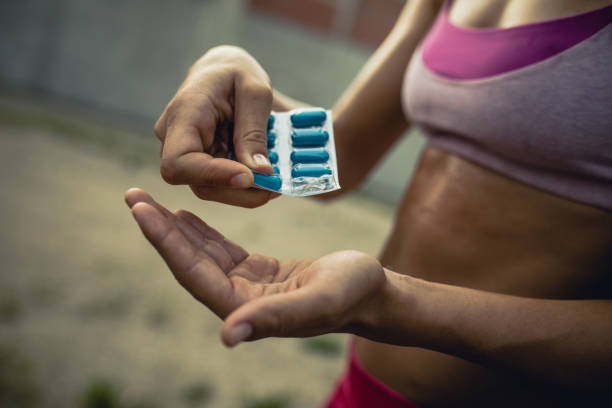
That said, let us look at some of these reasons why athletes are involved in doping assays.
The measure has drastic consequences that are explained below: The why and how of doping vary from one athlete to another. Similarly, the goal of doping is as diverse as the reasons attributed to it. This arises from pressure to deliver one of the most understandable motivations. The pressure to succeed. Most of the athletes, and more especially those competing at the elite level, usually receive pressure to perform their best. It inherits with other equally qualified candidates; hence they may feel that doping in sports is the only way to get the physical predisposition that is wanted.
The other reason is in the perceived benefits of doping, where the estimate received from money, fellowship, or job promotion is perceived to be greater than the estimate of cost. Some are the following: The ability to win at all costs The relative risk involved is relatively low in the sense that the odds of being caught are very slim.
Nonetheless, this is not something that happens only to athletic elites. Doping has also been reported in low-level competitions and exercises, including high school participation as well as recreation, where everyone, by the wish to succeed or be superior, will do anything to make it work.
The Health Risks of Doping in Sports
This proves that while doping in sports could help get some gains for a while, it is very unhealthy for the body. That is why substances like anabolic steroids are toxic, causing diseases related to the liver, the cardiovascular system, and the hormonal system. It is important to increase the concentration of red oxygen-carrying blood cells in order to improve the oxygen to muscles; this has the following disadvantages: It increases the density of the blood—a factor that exposes the athletes to possible strokes or heart attacks.
Besides, almost all the drugs being used in the enhancement of performance are prohibited and are normally linked with nasty effects. That is why sportsmen and sportswomen can aggravate such side effects as increased aggression, anxiety, and a depressive state. On occasions, the use of PEDs for a longer time results in dependence, which results in other problems and may even be fatal.
Doping in relation to sports: A review of its effects
Doping in sports contributes to the decrease of the reliability of athletic events. Sports are built under the premise of cooperation, honoring, being truthful, and knowing the right methods to do the game. When it finally degrades to employing substances that are prohibited, athletes negate these values; they also deny viewers the opportunity to appreciate intelligence and hard work.
Viewers entertain themselves while watching sports because they really get a feel for the real event. What puts more controversy as to the sale of any athlete’s talent and dopes are attainments? This can lead to the frustration of the fans and the detriment of trust in the sport activity.
Besides, doping cases are shameful to the sports organizations since the sports institution is the one that receives negligence and blame. In many cases, teams or sports federations claim that doping prevention measures are insufficient, and as a result, first, sponsorship may be the next thing to be affected, then, interest of viewers may start decreasing, and credibility is the thing that can disappear.
Preventing Doping in Sports
The battle against doping in sports is a collective endeavor that sounds in concert with athletes, coaches, legal entities, and health care facilities. WADA cooperates with the Olympic Movements to establish anti-doping goals and rules and standards and to implement the anti-doping programs and tests. It is usual to conduct random drug tests mainly to ensure that an athlete is aware that in their race to assertion they did not consider the option of having to use a certain substance (doping) to make the work easier.
Another important factor that has been touched on in this context is education in an attempt that has been made to curb doping. Probably, it is believed that by offering the latter sufficient information about the repercussions of doping as well as the harm it causes to the health and careers of athletes, the majorities of the problematic athlete population will refrain from using prohibited substances in the first instance. More focus is done on competitiveness, rational and orderly practice, the psychological factor involved, and skills that should be developed.
Coaches as well as the sports organization
The elimination of doping is not only in the hands of athletes but also their coaches and often other sports associations. In an ideal sense, they must establish a culture that will place value on integrity rather than He or she must foster a culture that makes offering our best instead of cheating something desirable since it yields winners. Member athletes of involved organizations should be made to understand that all policies or programs to be applied to them have a no-dopers policy and the risks of doping, to his or her expected mean life expectancy or to his or her further career in the certain sport.
Coaches more specifically should know and have a tendency not to engage with ‘banned products’ or any dangerous products. Desperately needed, it usually becomes the mandate of the coach to lead the athletes to a manner of enhancing their performance legally and, most importantly, safely by advocating for healthy training and nutritional practices.
The following presentation looks into how we exploit young sportsmen in growing their sporting careers and in promoting sporting disciplines.
Such pressures can be very demeaning, especially to youths. Doping in Sports It’s sad, especially where the pressure involves young athletes who have not learned the dangers that are associated with the use of banned substances, including the PEDs. The young athletes have our role models when it comes to instances of professional sportsmen; discovering that their favorite professionals in such types of games are involved in dope cases is wrong.
I will briefly discuss, therefore, the total work of intercollegiate athletic conferences and other sports organizations in preparing youngsters on aspects of doping and other available mechanisms of enhancing performance as mandatory. Denial of this generation’s use of performance-enhancing products should be encouraged by engaging the next generation in proper values of health and fair play.
Conclusion: The Path Forward
It is still a big issue; it is perhaps a big issue that anytime a sports person puts food on the table that has performance-enhancing substances, every stakeholder is at risk, including the athletes, sports, fans, and confidence. The vise can be attributed to concerned sports organizations, trainers, and players through education, awareness, and ethical practice. Very often doping appears to have some positive impact, at least for a while, but the experience is nothing but negative. For this reason, only through everyone’s contribution as well as the obeying of ludic regulations can these sporting events remain anchored on their goal of being an appreciation of individual achievements.
FAQs
What materials are used in doping in sports?
Substances that are used in doping include ‘benign’ substances such as anabolic steroids, stimulants, and blood-boosting agents, including human growth hormone (HGH) and erythropoietin (EPO), which is used to conduct blood doping. Its application is well known with the aim to enhance the hall’s strength, endurance, or rate of recovery.
How can doping in sports be detected?
The ways to identify doping in sports include random and routine drug testing. Finally, specimens from urine or blood tests are collected in order to check for the presence of prohibited substances or any sign of the use of banned substances.