Virtual Reality Technology
In the recent past, virtual reality technology (VR) has been regarded as one of the most viable socio-technical innovations in the landscape of the informational age. In entertainment and learning, treatment and design, augmented reality is rapidly transforming the ways in which each and every man on the planet can interact with the surrounding. In this article we will find out in detail about Virtual Reality Technology, as well as the meaning of Virtual Reality Technology, and how this practice is shifting paradigms of interaction and comprehension.

What is virtual reality technology?
Virtual reality technology denotes a three-dimensional pictorial representation developed by employing computer software that a person has the ability to enter and interact with by means of a helmet, gloves, or a motion-detecting device. More likely this is the closest a man has felt the experience of being inside an environment without actually being physically within it. Restoring sensations of vision, hearing, and even occasionally the feeling, VR takes the user and places them within an environment or a situation of their choice, if albeit one in virtual reality only.
How Virtual Reality Works
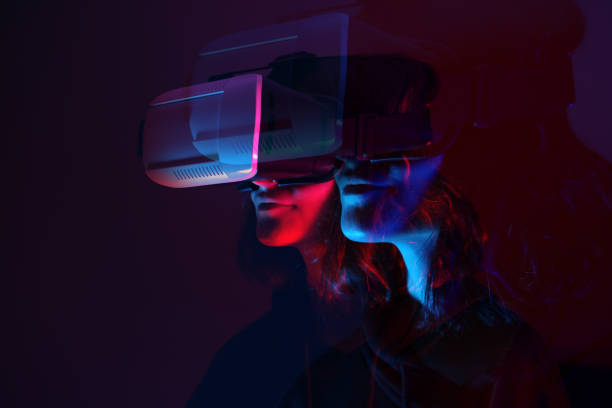
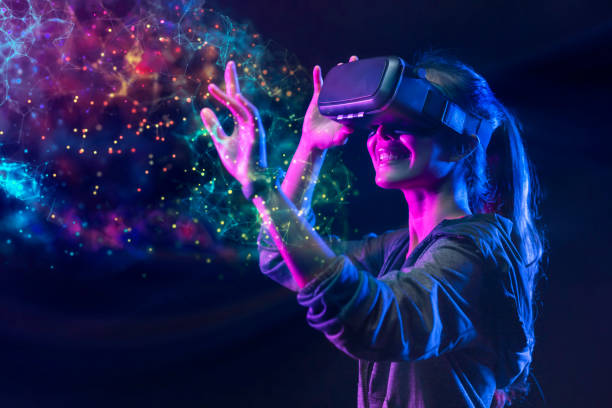
In substance, virtual reality technology unites modern equipment and programs to give total absorption. The most important component in a VR setup is the VR headset that should contain a minimum of two screens or displays for the two eyes and show volumetric images. Cameras in the headset detect the motions of your head, and it allows one to sway and interact with the virtual reality as if being controlled by it, in a way like life.
In addition to the headset, the VR typically consists of the controllers or motion sensors to control the movements of your hands. This enables the users to control the environment through handlify, pointing, or by moving some real object in a virtual plan.
The Evolution of Virtual Reality Technology
Since the inception of this holder, virtual reality technology has achieved a lot of growth. At first, virtual reality hardware was bulky, loud, and expensive; most of the systems were used mainly for scientific or military purposes. However, with the evolution in interactive computation work, graphics processes, and micro-miniature built-in hardware, VR technology has become for and within the reach of public action.
Today, applications of VR are numerous, beginning with entertainment and going as low as training simulation, which in present-day science fiction technology are still something out of this world. VR is still in the progressive stage because technological advancement continues to introduce new designs in both hardware and software that direct changes in the technology.
Applications of Virtual Reality Technology
Since being adopted in the many fields of business, the technology of virtual reality is being applied in the many fields of businesses. Some of the most prominent areas where VR is making an impact include:
Entertainment and Gaming
Virtual reality, also known as interactive computing in a virtual environment, has been one of the most effective tools in gaming. In fact, VR games allow the actors to go into a particular setting, interact with characters, and tackle challenges. This creates a face of gaming that varies the act of playing it into the kind of experiencing the game as the gamer sets in this level.
Healthcare
It is also gradually disguising its ways into the health care industry, developing new styles of treatment. For example, VR is used in post-traumatic stress disorder, also known as PTSD, and anxiety disorders. It allows patients to expose themselves to fear in a manner that they have to face it, but they do so under the supervision of a practitioner. Further, new fields of use are in pain management, teaching, and even during the desensitization process, and therefore offer the better prospect to support in the restoration stage of the patient efficiently.
Education and Training
Education is one of the most spiritual domains, which can be improved by using virtual reality technology. Because of it, students can visit prehistoric countries, study anatomy, or endanger life at least in a virtual reality. In particular to the working class, VR training simulation helps with the training of sensitive operations that include flying a plane or other sensitive procedures such as surgery.
Architecture and Design
They have indeed altered the architects and designers scene about how they design and represent their works. In VR, it is possible for clients to move around based on architectural designs before the construction is complete. This also helps one to correct and improve the designs that had been made at the preliminary stages when designing the layouts.
Retail and Shopping
It is also used in retail too. VR can be very useful since a person does not have to go to the store to purchase a product such as a chair for your living room, new clothes, etc. Compared with physical shopping, this online shopping improves the service benefit and enhances the value for customers.
The Future of Virtual Reality Technology
Virtual reality technology has incredible potential, and we are not even close to learning some of the things that this world could do for us. This paper also anticipates that with the enhanced showings in the technology that is employed to advance VR applications, then it is likely to become generative in social parlance. We could think of applications of VR in fields such as virtual social networks, virtual tourism, virtual workplaces, and other areas of its applicability with the inherent ability to have interaction, which is missing at the moment.
Still, VR expands as even more cost for hardware decreases, usage gets natural and cheap. It is also expected that there would be revisions on how the companies improve the visuals and the input about the virtual reality to make them more realistic and sensitive.
Challenges in Virtual Reality Technology
Nevertheless, virtual reality technology brings certain problems while the capital market has great prospects in bringing benefits. One of the key problems is that the VR environment causes motion sickness. The users feel uncomfortable or sickening, or even nauseated when they are in a VR since they have to wait for the updates on their position to be reflected on the screen. Another drawback of the systems is that VR systems could be costly for the value brands that may be out of most individuals’ financial reach, especially the high-end systems.
Thus, at the moment there is not much VR content available compared to live TV or movies, and thus creating a good, immersive VR environment is a slow and an expensive process. The following are some of the challenges being solved by researchers and developers. As for the future of the technologies, the more advancement of the technologies, the more users are interested and would enjoy using VR.
Conclusion: The Future in Virtual Reality
Virtual reality technology is already revolutionizing a great deal of industries for new opportunities in amusement, education, therapy, and many others. Due to these capabilities in disseminating relatively gameful experiences, it has created new possibilities in learning, playing, as well as working. With that still said, it is necessary to point out that the daily progress in the development of both VR’s hardware and software speaks of the newcomer context of the digital interaction.
Depending on continued advancements of emerging technologies, professionals have no doubt that VR could become a natural part of lives. Therefore, if you require the game or simulating the interactive, as a student, a working professional, or an enthusiast, putting your money in virtual reality should be an excellent investment. Sitting ‘in the eye of this storm,’ VR is set to be the ‘new normal’ of communication, entertainment, and growth.
FAQs About Virtual Reality Technology
Can virtual reality technology mimic real-life events?
However, it provides users with a very authentic feeling, and that is why it will be impossible to replace all real-life feelings with VR. But it introduces certainty and structuralized circumstances to the actuation, practice, and modeling that would not be possible otherwise.